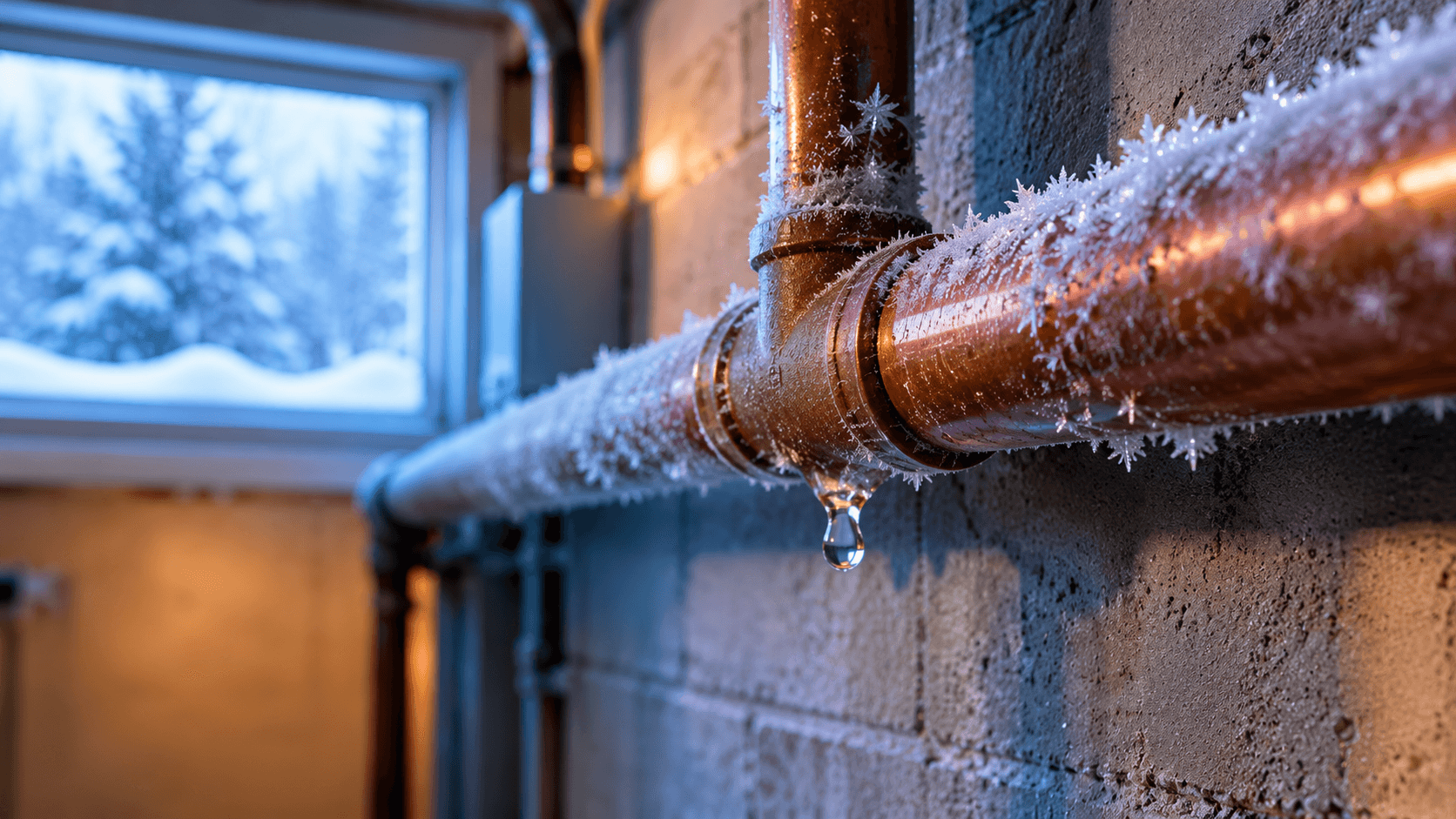
Every Canadian winter, the same thing happens: a cold snap hits, a pipe in an outside wall or a crawl space freezes, and when it thaws it splits. A burst pipe can push hundreds of litres into your basement or walls before anyone notices, and water damage is one of the most expensive claims homeowners make.
The good news: most frozen pipes are preventable with a few hours of prep in the fall. Here’s the checklist I follow in Ontario, plus what I changed this year after adding a whole-home water monitor.
Disclosure: this guide contains affiliate links. If you buy through them, AnythingTech may earn a small commission at no extra cost to you.
Advertisement
Why Pipes Burst When They Freeze
Water expands as it freezes. When ice forms in a pipe, it builds pressure in the section between the ice and the closed tap. Eventually the pipe gives way, often somewhere other than where the ice is. That’s why a burst is usually discovered when the pipe thaws and water starts flowing through the split.
The pipes most at risk are the ones exposed to cold: lines in exterior walls, unheated basements, crawl spaces, garages and attics, and anything running to an outdoor tap.
Fall Checklist: Before the First Hard Freeze
- Shut off and drain outdoor taps. Close the indoor shutoff valve that feeds each outdoor tap, open the outside tap to drain it, and disconnect hoses. A hose left connected traps water in the tap.
- Blow out your irrigation system. If you have in-ground sprinklers, get the lines blown out with compressed air before the ground freezes. Most irrigation companies offer this as a fall service.
- Insulate exposed pipes. The Insurance Bureau of Canada recommends insulating pipes, especially near outside walls, in basements and in crawl spaces. Foam pipe sleeves are cheap and take minutes to fit.
- Seal drafts near pipes. Caulk or foam gaps where cold air gets in around pipes, dryer vents and sill plates.
- Find your main water shutoff. Know where it is, make sure it turns, and show everyone in the house. In an emergency, minutes matter.
- Check your insurance policy. Read the sections on water damage and on leaving your home unattended. More on this below.
During a Cold Snap
- Keep the heat on. Don’t turn the thermostat way down at night during extreme cold.
- Open cabinet doors under sinks on exterior walls so warm air reaches the pipes.
- Let a tap drip on the coldest nights if a pipe is known to be vulnerable. Moving water is harder to freeze, and an open tap relieves pressure.
- Keep the garage door closed if water lines run through the garage.
Going Away This Winter? Read This First
This is where people get caught. The Insurance Bureau of Canada advises checking your policy before you leave, and many policies limit or exclude water damage from frozen pipes if a home is left unattended or vacant for too long without someone checking on it.
- Call your insurer and ask how long you can be away, and whether someone needs to check the house while you’re gone.
- Keep the heat on. Set a steady temperature rather than turning it off; ask your insurer if they specify a minimum.
- Arrange a house-checker who knows where the main shutoff is.
- For a long absence, consider shutting off the main water supply and draining the lines, as IBC suggests for vacant homes.
How a Water Monitor Changes the Game
A frozen pipe is silent until it bursts. What you want is to know the moment water starts flowing when it shouldn’t, not when you get home and find a wet basement.
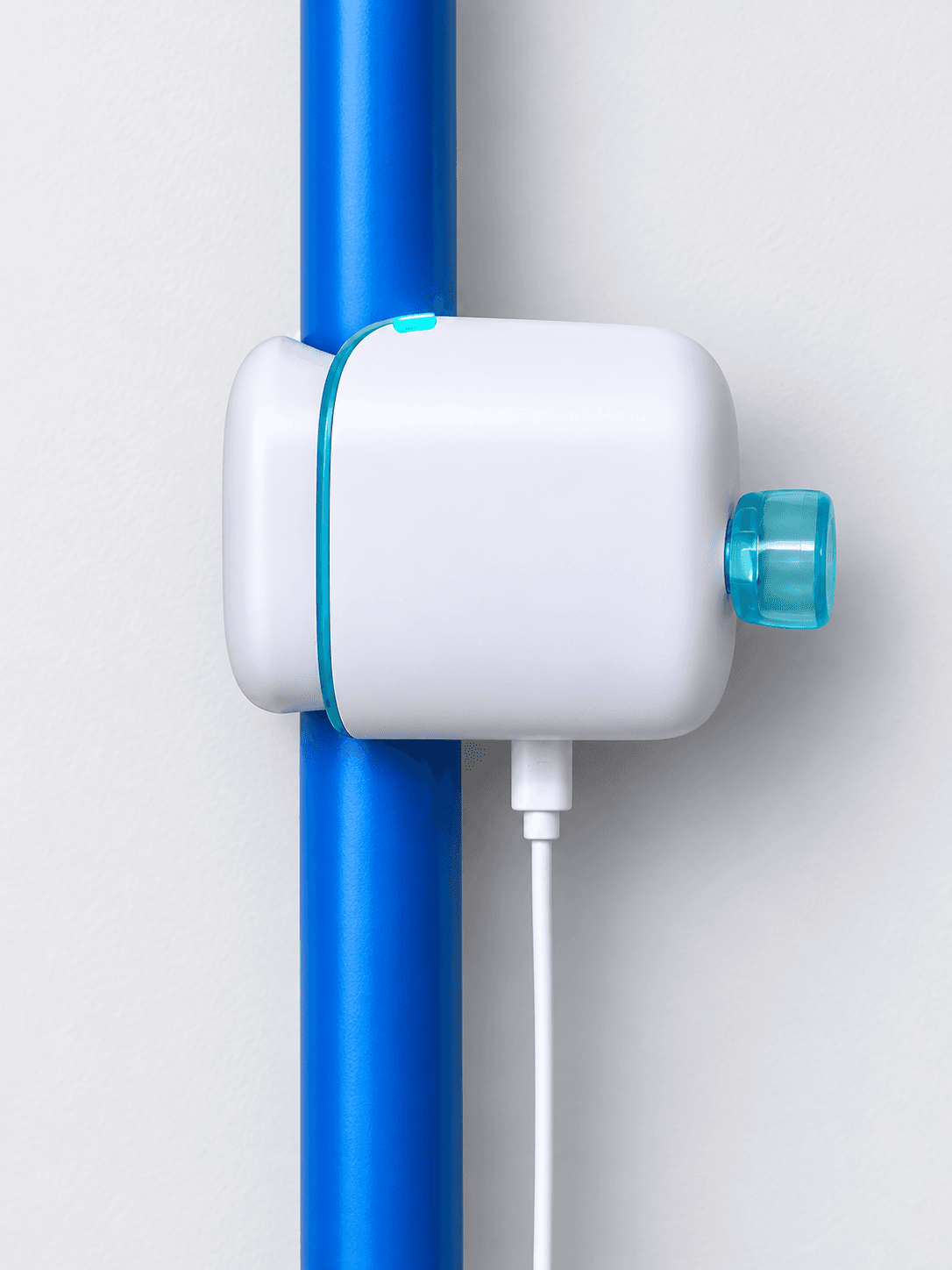
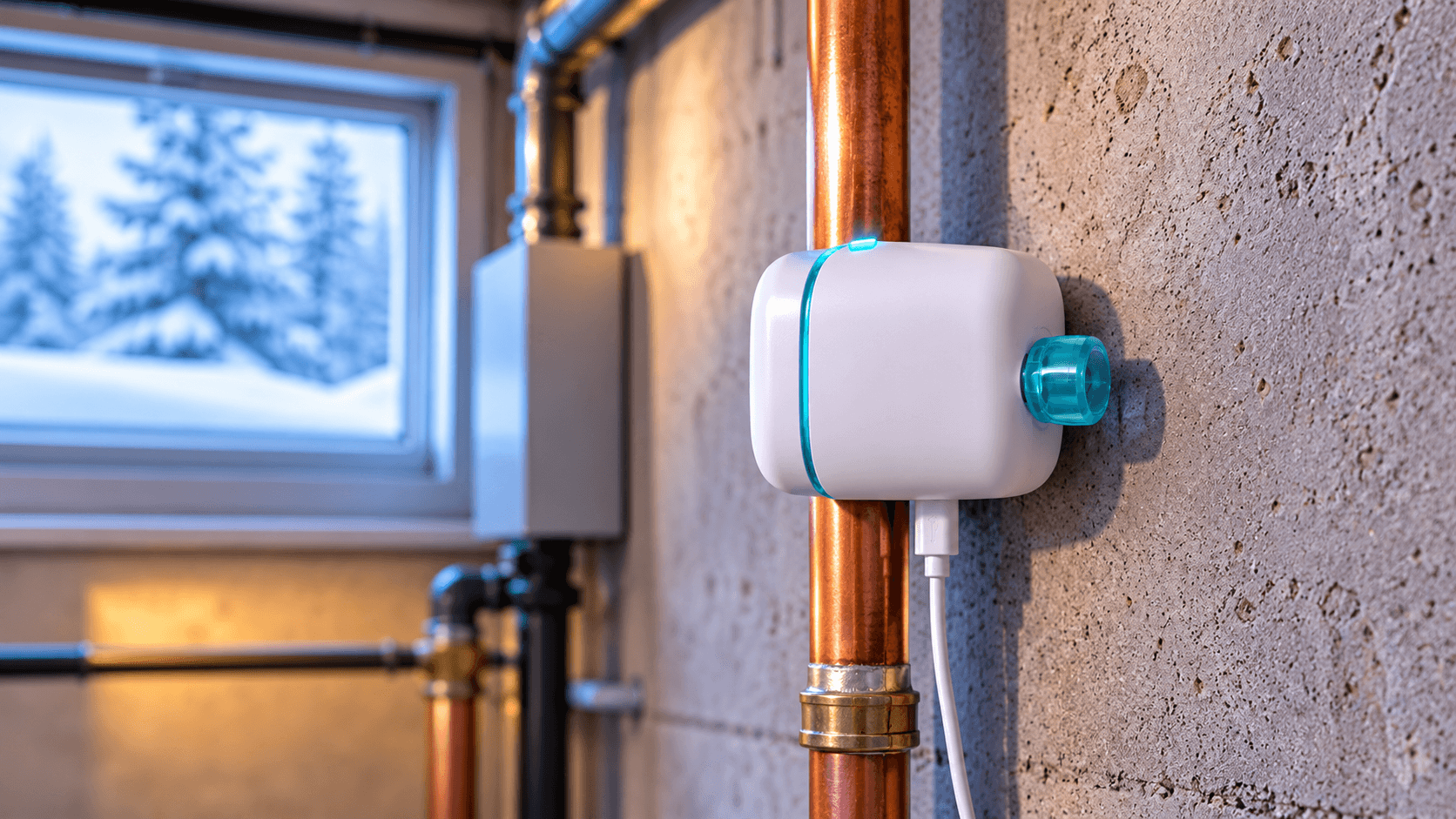
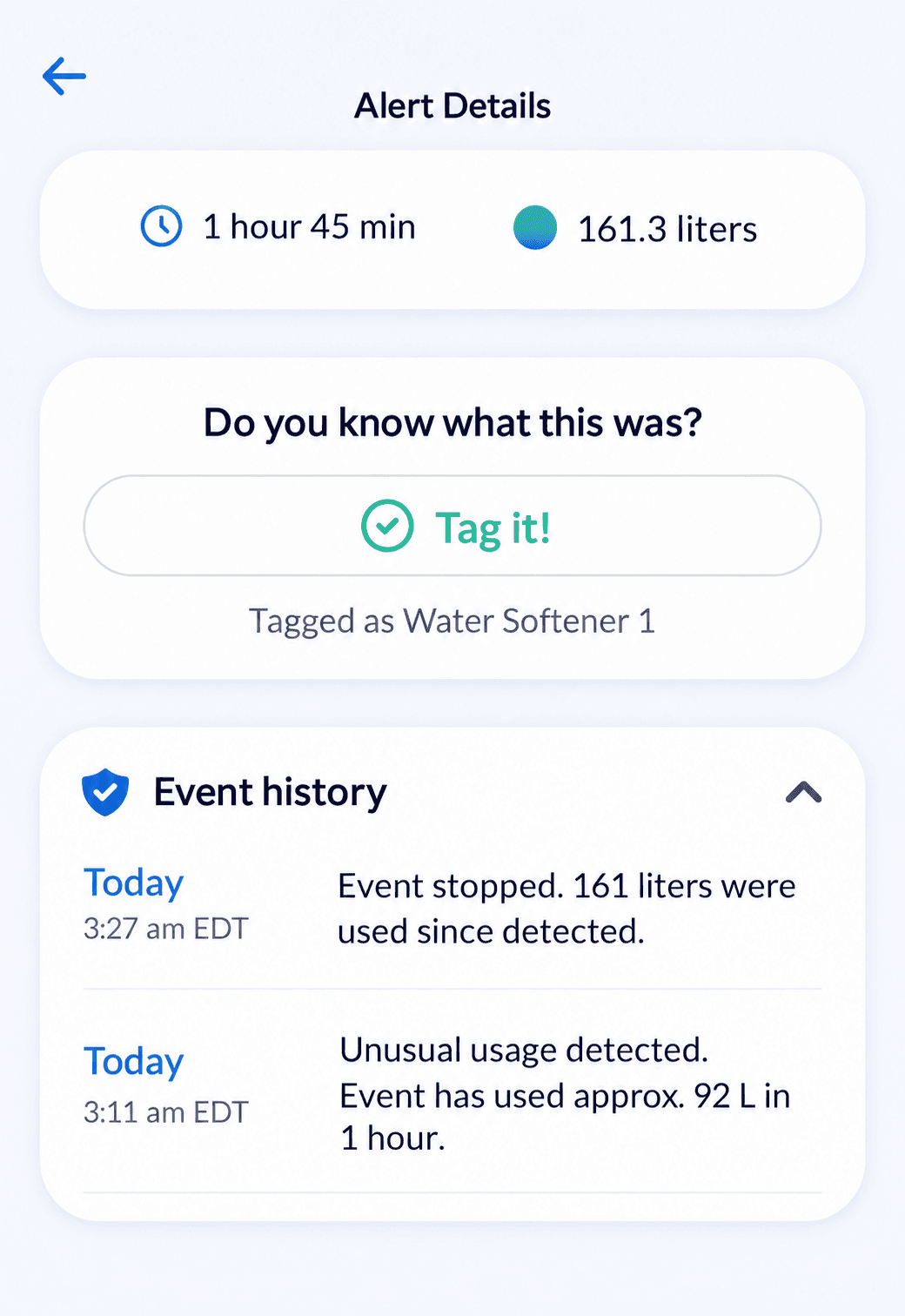
That’s why I added the Hydrific Droplet to my main water line. It clamps onto the outside of the pipe, watches flow in real time, and sends an alert to my phone when water runs unexpectedly. In my first month it sent me a 2 AM alert that turned out to be my water softener regenerating. Harmless that time, but exactly the alert you’d want if a pipe split overnight or while you’re away.
- Alerts anywhere: you get notified on your phone even when you’re travelling, so a house-checker can be sent over right away.
- Catches slow leaks too: it detects very small flows, so a pinhole leak in a thawing pipe doesn’t go unnoticed for weeks.
- No plumber needed: it installs in seconds, with no cutting into pipes, which matters when you want it running before the cold arrives.
Two limits to know. The Droplet alerts you but can’t shut the water off by itself; for automatic shutoff you’d pair it with a smart valve (it works with Home Assistant), which usually means a plumber. And it runs on wall power and Wi-Fi, so it can’t alert you during a power or internet outage, which is exactly when pipes are most likely to freeze. Keep your house-checker plan either way.
Reader deal: save on the Droplet with our link or code anythingtech at checkout. When I checked, it took US$31 off in the US and C$44.81 off in Canada.
Bonus: Ask About an Insurance Discount
Some insurers offer a discount for a connected or monitored water leak sensor. Mine did here in Ontario. It was small, but it’s worth a phone call while you’re already checking your winter coverage.
How to Thaw a Frozen Pipe Safely
Signs of a frozen pipe: a tap that gives only a trickle or nothing at all, frost on a visible pipe, or a bulge in the line.
- Open the tap the pipe feeds, so water can flow out as the ice melts.
- Apply gentle heat to the frozen section: a hair dryer, a heating pad, a space heater kept at a safe distance, or towels soaked in hot water. Start near the tap and work back.
- Never use an open flame. No torches, propane heaters or anything with a flame on pipes or near walls.
- Keep heating until full water pressure returns, then check the pipe for cracks.
- Call a licensed plumber if you can’t find the frozen section, can’t reach it, or can’t thaw it.
If a Pipe Bursts
- Shut off the main water supply immediately.
- Turn off power to affected areas if water is near outlets or panels, and only if you can do it safely.
- Open taps to drain the remaining water from the lines.
- Photograph everything and call your insurer as soon as possible.
- Start drying out quickly to limit mould: move belongings, run fans and a dehumidifier.
The Short Version
Drain outdoor taps, blow out irrigation, insulate exposed pipes, keep the heat on, check your insurance before you travel, and get an alert the moment water flows when it shouldn’t.
If you only do one new thing this year, add leak monitoring. Read my full Hydrific Droplet review, or get it with our discount (code anythingtech).